PPF Self-Healing Technology: How XPEL Paint Protection Film Repairs Itself
- David R
- Dec 16, 2025
- 9 min read

Updated: Mar 26
What Is Self-Healing Paint Protection Film?
Self-healing paint protection film represents one of the most significant breakthroughs in automotive paint protection technology. When premium PPF like XPEL Ultimate Plus sustains a light scratch, swirl mark, or scuff, the film literally repairs itself. The scratch disappears and the surface returns to its original flawless finish within minutes. This is not marketing hype. It is real, proven technology built into the molecular structure of the film. At Rapid Window Tinting, we install self-healing XPEL PPF every day and regularly demonstrate the technology to customers at our shop on Sunset Boulevard in Los Angeles.
How Does PPF Self-Healing Technology Work?
Self-healing PPF is constructed from thermoplastic polyurethane, an elastomeric polymer with unique molecular properties that enable damage repair. The film consists of three critical layers. The clear topcoat is made from flexible elastomeric polyurethane that responds to heat by allowing minor scratches to fade. This is the self-healing layer. Below it, the middle polyurethane layer provides exceptional impact resistance and absorbs energy from road debris before it reaches your paint. The adhesive base layer bonds the film to your vehicle's surface.
The Science Behind Self-Healing
When PPF sustains minor damage, the elastomeric polymers at the molecular level respond to heat exposure. Heat softens the thermoplastic polyurethane material, allowing polymer chains to regain freedom of movement. This flexibility enables the material to flow at a microscopic level, with molecular bonds loosening slightly so the material spreads and smooths over scratches. Once the heat source is removed, the polymer chains cool down and bond back together, effectively erasing the damage. The process is initiated when exposed to heat from sunlight, warm water, or a heat gun, and the molecular structure reorganizes to fill in the surface damage.
Heat Activation Methods and Temperatures
Self-healing PPF begins to activate at approximately 140 to 160 degrees Fahrenheit. There are several practical ways to trigger the process. The most accessible method is sunlight. In Los Angeles, where temperatures regularly reach the 80s and 90s, most light scratches heal on their own simply from your car sitting in the sun. For faster results, pouring warm water over the affected area at around 110 to 120 degrees Fahrenheit accelerates healing within minutes. Professional detailers often use a heat gun on a low setting held six to twelve inches away, which can heal scratches in 30 seconds to five minutes. A standard hair dryer on medium heat also works well for spot treatment.
What Types of Damage Can Self-Healing PPF Repair?
Damage That Self-Heals Successfully
Self-healing PPF excels at repairing everyday surface damage that accumulates on vehicles. Light scratches and hairline marks from car washes heal completely. Swirl marks caused by improper washing techniques or automated car washes disappear with heat exposure. Minor scuffs from brushing against the car in tight parking situations, light key scratches from accidental contact, fingernail marks around door handles, and surface abrasions from road debris all respond well to the self-healing process. In most cases, these types of damage vanish within minutes to hours depending on the heat source.
Damage Beyond Self-Healing Capability
Self-healing technology does have limits. Deep gouges that cut through the protective topcoat into the core polyurethane layer cannot self-repair. Punctures from sharp objects like gravel impacts at high speed, knife cuts, or deep key scratches that penetrate the full film thickness are beyond the self-healing capability. Cracks, peeling edges, and damage from harsh chemical exposure also fall outside the self-healing range. For these types of damage, the affected section of PPF can be replaced by a professional installer without redoing the entire panel, which is significantly more affordable than repainting.
Top Self-Healing PPF Brands Compared
Not all self-healing PPF performs equally. The effectiveness, speed, and longevity of the self-healing property varies significantly between brands. Here is how the top options compare for Los Angeles drivers looking for the best paint protection film available.
XPEL Ultimate Plus
XPEL Ultimate Plus is widely considered the industry leader in self-healing PPF technology. The film features a proprietary elastomeric polyurethane topcoat that heals light scratches and swirl marks within minutes when exposed to warmth from sunlight or warm water. It offers industry-leading optical clarity that makes the film virtually invisible on your paint. The non-yellowing formulation maintains crystal-clear appearance throughout the life of the film. Additional features include stain resistance, hydrophobic properties for water beading, and Edge Seal Technology for long-term adhesion. XPEL Ultimate Plus carries a comprehensive 10-year manufacturer warranty covering yellowing, bubbling, cracking, and peeling.
XPEL Stealth
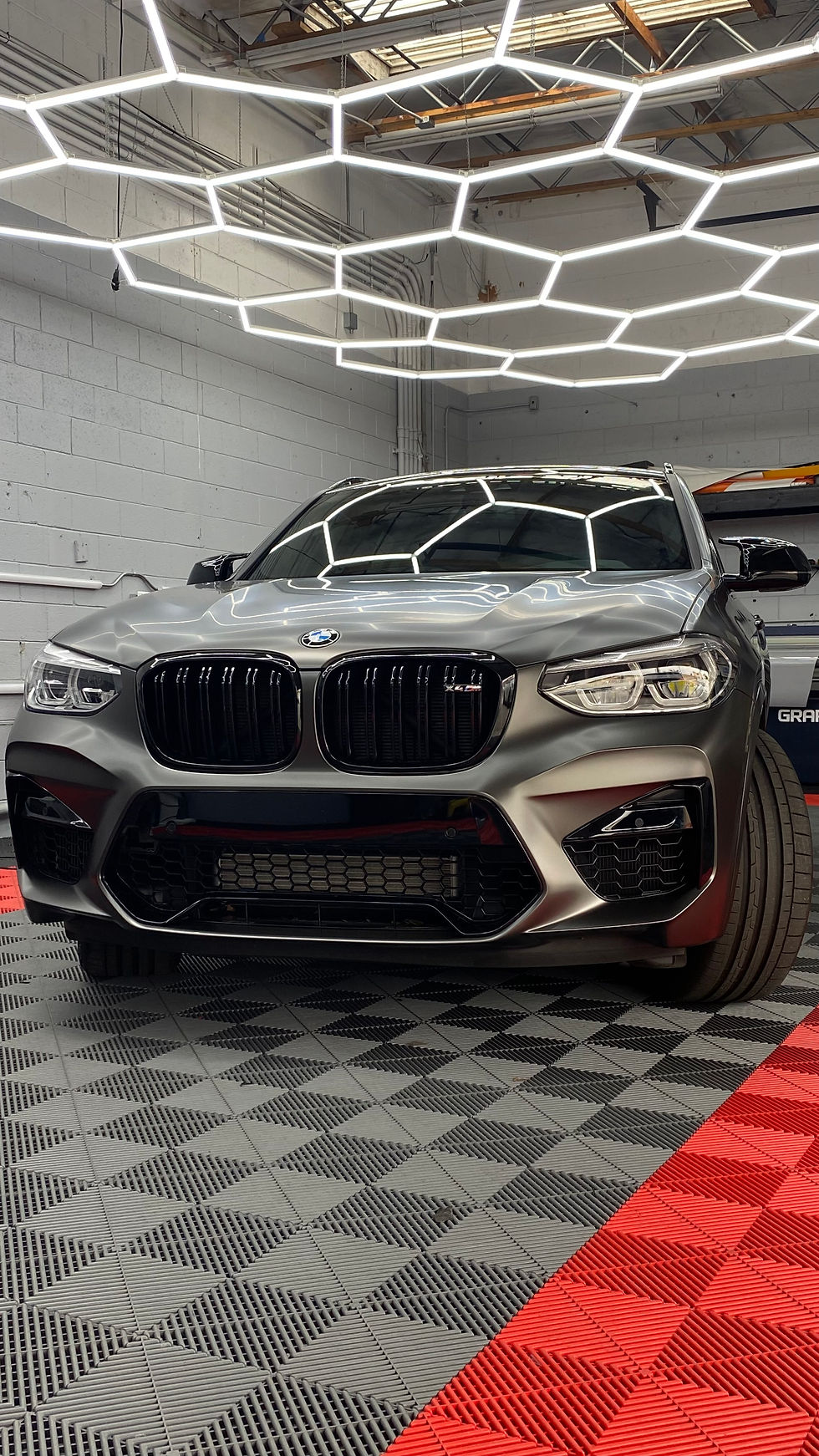
For drivers who want a satin matte finish, XPEL Stealth transforms any glossy paint into a stunning matte appearance while maintaining the same self-healing properties as Ultimate Plus. This is particularly popular on Tesla vehicles, luxury SUVs, and sports cars where the matte aesthetic adds a custom look. XPEL Stealth also carries a 10-year manufacturer warranty and is available at Rapid Window Tinting.
3M Scotchgard Pro Series
3M Scotchgard Pro Series uses a self-healing formula that removes minor scratches and marks when heat is applied. The film offers high abrasion, puncture, and tear resistance with excellent conformability around vehicle contours. 3M markets this product as maintenance-free, meaning standard washing and waxing procedures are acceptable without special care requirements. The Pro Series carries a 10-year manufacturer limited warranty when installed by a 3M Certified Installer. While 3M offers solid protection, independent comparisons indicate its self-healing technology is less aggressive than XPEL or SunTek, and it lacks the hydrophobic properties found in competing products.
SunTek Ultra
SunTek Ultra features a heat-activated elastomeric polymer topcoat with their proprietary HydroResist technology, which provides advanced hydrophobic properties that repel water similar to a ceramic coating. This reduces water spots and dirt accumulation between washes. SunTek Ultra offers exceptional clarity with a high-gloss finish and carries a 10-year manufacturer limited warranty. Many industry professionals consider it a strong value option that delivers performance comparable to XPEL at a slightly lower price point.
Why Self-Healing PPF Is Essential for Los Angeles Drivers
Ideal Climate for Self-Healing Activation
Los Angeles offers one of the best climates in the country for self-healing PPF performance. With over 280 sunny days per year and regular temperatures in the 70s to 90s, vehicles naturally reach the optimal temperature range for passive self-healing. Light scratches that might linger for days in cooler climates often disappear within hours in LA simply from your car sitting in a parking lot. This means less maintenance effort and consistently better-looking protection.
Protection Against LA Driving Hazards
Los Angeles driving conditions are notoriously tough on automotive paint. Freeway debris on the 101, 405, and 10 causes rock chips and paint damage. Tight parking in Hollywood, West Hollywood, and Downtown LA leads to door dings, cart scratches, and bumper scuffs from neighboring vehicles. Valet services at restaurants and hotels frequently leave swirl marks from rushed handling. Construction zones throughout the city kick up gravel and dust. Self-healing PPF handles this everyday wear and tear automatically, keeping your vehicle looking pristine without constant touch-ups or expensive repainting.
How Long Does Self-Healing PPF Last?
Premium self-healing PPF typically lasts five to ten years depending on environmental conditions, maintenance routines, and the specific brand and film quality. The self-healing property is most effective during the first three to five years of the film's life when the topcoat is at peak condition. Throughout the mid-life period of three to seven years, self-healing remains effective but may be slightly slower. In the later years approaching the warranty limit, the self-healing capability gradually decreases as the topcoat ages. If scratches stop disappearing under heat exposure, the topcoat has likely begun significant degradation and it may be time to consider replacement.
How to Maintain Self-Healing PPF
Proper maintenance extends the life and performance of self-healing PPF. Following the right care routine ensures your film continues to heal scratches effectively for years. For a detailed overview of ongoing care, see our PPF maintenance guide.
Washing Best Practices
Always use pH-neutral automotive shampoo and a soft microfiber wash mitt. The two-bucket method with one bucket for soapy water and one for rinsing your mitt prevents grit from being dragged across the film surface. Rinse thoroughly before and after washing to remove loose debris. Avoid pressure washers, which can damage the film edges. Never use dish soap, laundry detergent, or all-purpose cleaners, as these strip protective layers and can leave residues that attract contaminants.
Products to Use and Avoid
Avoid carnauba or petroleum-based waxes on PPF, as they can leave hazy films or yellow over time, interfering with the film's clarity. If you want additional gloss and protection, consider a ceramic coating specifically formulated for PPF. These specialized products enhance shine and make cleaning easier without interfering with self-healing properties. Standard automotive detailing sprays designed for clear bra or PPF are also safe to use.
Self-Healing PPF Cost in Los Angeles
Self-healing PPF typically costs 10 to 30 percent more than standard non-self-healing film, but the long-term value makes it the preferred choice for most Los Angeles vehicle owners. For full body coverage including hood, bumper, fenders, doors, roof, and trunk, expect to invest between $4,000 and $7,000 depending on the vehicle and brand selected. Partial coverage packages protecting high-impact areas like the front bumper, hood, and fenders typically range from $1,500 to $3,000. For detailed pricing information, visit our PPF pricing page.
The premium cost of self-healing PPF is justified by several factors. The ability to repair minor scratches without professional intervention reduces ongoing maintenance expenses. Longer effective lifespan of five to ten years compared to three to five years for standard PPF means fewer replacements. Comprehensive 10-year warranties from brands like XPEL provide peace of mind. Hydrophobic properties reduce water spots and minimize cleaning frequency. The end result is a lower total cost of ownership despite the higher upfront investment.
Self-Healing PPF Myths vs. Facts
Myth: Self-healing is completely automatic and requires no action. Fact: While called self-healing, the process requires heat activation. You must expose the film to heat from sunlight, warm water, or a heat gun to trigger the polymer chains to reorganize. Without heat, scratches will not heal. The good news is that in Los Angeles, your car's natural sun exposure often provides enough heat for passive healing.
Myth: Self-healing PPF can repair any type of damage. Fact: Self-healing is limited to superficial scratches, swirl marks, and minor abrasions in the topcoat layer. Deep gouges that cut through the protective topcoat, sharp object damage, and scratches that reach the base paint cannot self-repair. The technology works on everyday surface wear, not severe impact damage.
Myth: PPF yellows and degrades quickly. Fact: Modern thermoplastic polyurethane films are engineered to withstand constant UV exposure without yellowing or peeling. XPEL Ultimate Plus uses an advanced non-yellowing formulation that maintains clarity for 10 or more years. This is one of the major advancements in PPF technology over the past decade.
Myth: All PPF brands have equally effective self-healing. Fact: Self-healing effectiveness varies significantly between brands. XPEL Ultimate Plus is widely recognized for industry-leading self-healing speed, with scratches vanishing within minutes. SunTek Ultra offers excellent performance with added hydrophobic benefits. 3M Scotchgard Pro provides self-healing but is generally considered less aggressive than XPEL or SunTek. Brand selection matters.
Myth: Self-healing lasts forever. Fact: The self-healing property is most effective during the early years and gradually degrades over time as the topcoat ages. While the film continues to protect your paint throughout its lifespan, the self-healing capability becomes less effective approaching the 7 to 10 year mark. Regular maintenance helps extend self-healing performance.
Myth: You need special products or professional treatments to maintain self-healing. Fact: Self-healing PPF is low maintenance. Standard automotive washing with pH-neutral shampoo preserves the film perfectly. No special treatments, coatings, or professional services are required to maintain self-healing properties. Proper washing technique matters more than expensive products.
Get Self-Healing XPEL PPF at Rapid Window Tinting
As an authorized XPEL dealer with over 1,000 five-star Google reviews, Rapid Window Tinting is Los Angeles' most trusted PPF installer. Our factory-certified technicians ensure flawless installation of self-healing XPEL Ultimate Plus and XPEL Stealth on every vehicle. We serve all of Los Angeles including Hollywood, Beverly Hills, West Hollywood, Brentwood, Santa Monica, Pasadena, Glendale, and Burbank. Contact us for a free estimate or call (323) 358-2520. Visit us at 5300 W Sunset Blvd Suite 6, Los Angeles, CA 90027.
Voice Search FAQs – PPF Self-Healing Technology
"Hey Google, how does self-healing paint protection film work?"
Self-healing PPF uses a special elastomeric polymer top coat that has shape memory properties. When the film gets light scratches or swirl marks, heat from sunlight, warm water, or a heat gun causes the polymer to flow back into its original shape, making scratches disappear. XPEL Ultimate Plus and Stealth both feature this self-healing technology. See it demonstrated at Rapid Window Tinting, 5300 Sunset Blvd Suite 6, Los Angeles — call (323) 358-2520.
"Hey Google, does XPEL PPF really heal scratches by itself?"
Yes, XPEL's self-healing top coat genuinely repairs light surface scratches and swirl marks on its own. The heat from normal sun exposure in Los Angeles is usually enough to activate the self-healing process within minutes. For deeper scratches, pouring warm water over the area speeds up the healing. Rapid Window Tinting is a certified XPEL installer in LA — call (323) 358-2520 to learn more.
"Hey Google, what scratches can paint protection film self-heal?"
PPF self-healing technology works best on light surface-level scratches like swirl marks from washing, light key grazes, fingernail scratches, and minor abrasions from daily driving. Deep gouges that cut through the film cannot be self-healed. The self-healing top coat on XPEL films handles most everyday wear and tear beautifully. Contact Rapid Window Tinting at (323) 358-2520 for a demonstration.
"Hey Google, how long does it take for PPF to self-heal?"
In warm Los Angeles weather, XPEL's self-healing PPF can repair light scratches in as little as 15 to 30 minutes from natural sun exposure. In cooler conditions, pouring warm water (about 120°F) over the scratched area triggers healing almost instantly. The self-healing capability lasts for the entire life of the film. Visit Rapid Window Tinting at 5300 Sunset Blvd Suite 6 to see this technology in action — call (323) 358-2520.
"Hey Google, which PPF brand has the best self-healing technology?"
XPEL is widely regarded as having one of the best self-healing top coats in the PPF industry. Their Ultimate Plus and Stealth films feature a proprietary elastomeric polymer that consistently outperforms competitors in healing speed and durability. As a certified XPEL dealer, Rapid Window Tinting in Los Angeles can show you side-by-side comparisons — call (323) 358-2520 to schedule a consultation.